

What Happens to Cast Iron Pipes After Lining? A Look 5, 10, and 20 Years Later
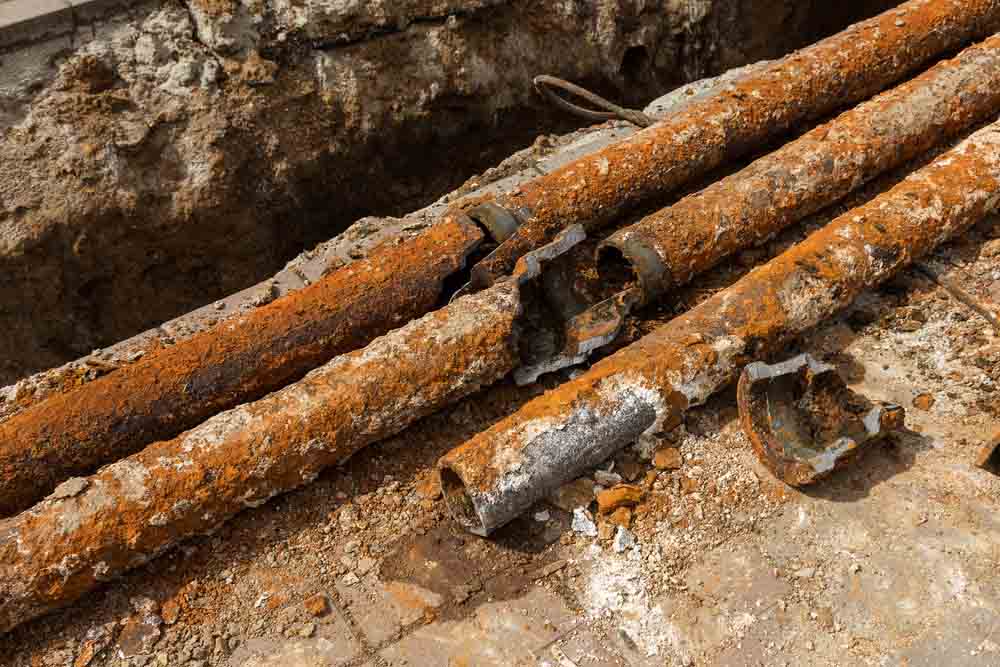
Cast iron pipes were once the standard choice for commercial drainage, prized for their strength and reliability. Over decades, however, corrosion, scaling, and structural wear inevitably develop. Traditional replacement often means excavation and disruption, which is why more property owners now turn to cast iron pipe lining as a practical alternative. By restoring the pipe interior with advanced cured-in-place (CIPP) technology, systems regain function without the mess and downtime of full replacement. Today, trenchless pipe lining in St. Louis, MO is recognized as a proven method for extending the lifespan of aging infrastructure.
But what does that performance actually look like over time? Let’s examine how sewer pipe lining holds after installation.
5 Years After Lining
Within the first five years after installation, lined cast iron systems generally operate as if they were brand new. CIPP technology halts corrosion by sealing the pipe’s interior, while also restoring smoother flow pathways that resist scaling and blockages. Independent studies published through the American Society of Civil Engineers (ASCE) have shown that properly applied linings reduce friction loss and improve flow efficiency almost immediately. At this stage, failures are extremely uncommon, occurring mainly when the host pipe was already too deteriorated to support a liner or when installation was improperly executed. With professional application, the liner bonds securely and functions as a protective barrier, preserving both performance and structural integrity.
Reliable pipe lining companies ensure materials cure evenly, forming a resilient barrier that mimics the strength of the original pipe.
10 Years Later
A decade into service, well-maintained lined systems continue to demonstrate strong durability. CIPP pipe lining materials are engineered for long-term resilience, with many manufacturers projecting lifespans of 50 years or more. Data from industry field reports confirm that sewer camera inspections at the ten-year mark often show clean interior walls with no cracks, blistering, or evidence of root intrusion. This is particularly important in St. Louis, where older cast iron systems are highly susceptible to root infiltration and scaling if left unlined. At this stage, lined pipes typically require only routine monitoring, not major intervention, proving that the investment pays off in reduced maintenance needs.
20 Years and Beyond
Beyond two decades, CIPP-lined cast iron pipes remain one of the most reliable rehabilitation methods available. According to studies conducted by the U.S. Environmental Protection Agency (EPA), properly installed liners have the potential to remain structurally sound for 30 to 50 years, depending on environmental conditions and usage. Factors such as chemical exposure, water pressure, and maintenance frequency influence longevity, but under typical commercial operation, lined systems continue performing well. Unlike traditional cast iron, which can corrode from the inside out, the liner provides a chemically resistant barrier that maintains flow and protects against future scaling. For property managers, this extended service life means fewer disruptions and predictable infrastructure planning.
Cast iron pipe lining remains a top choice for extending the life of aging systems with minimal disruption to operations.
The Bottom Line
Sewer pipe lining is far more than a temporary solution. It is a long-lasting investment that allows property owners to protect existing infrastructure while avoiding the disruption of excavation. With expert application, lined cast iron systems consistently demonstrate performance that matches or even exceeds original materials. In St. Louis, where many buildings rely on decades-old drainage networks, cast iron pipe lining offers a dependable path forward. Backed by engineering data and field-proven results, it remains one of the most effective strategies for ensuring reliable service well into the future.
For long-lasting results and minimal disruption, trust Nu Flow St. Louis. Contact us today to schedule an appointment.


