

Is Trenchless Pipe Lining Compatible With Your Existing System?
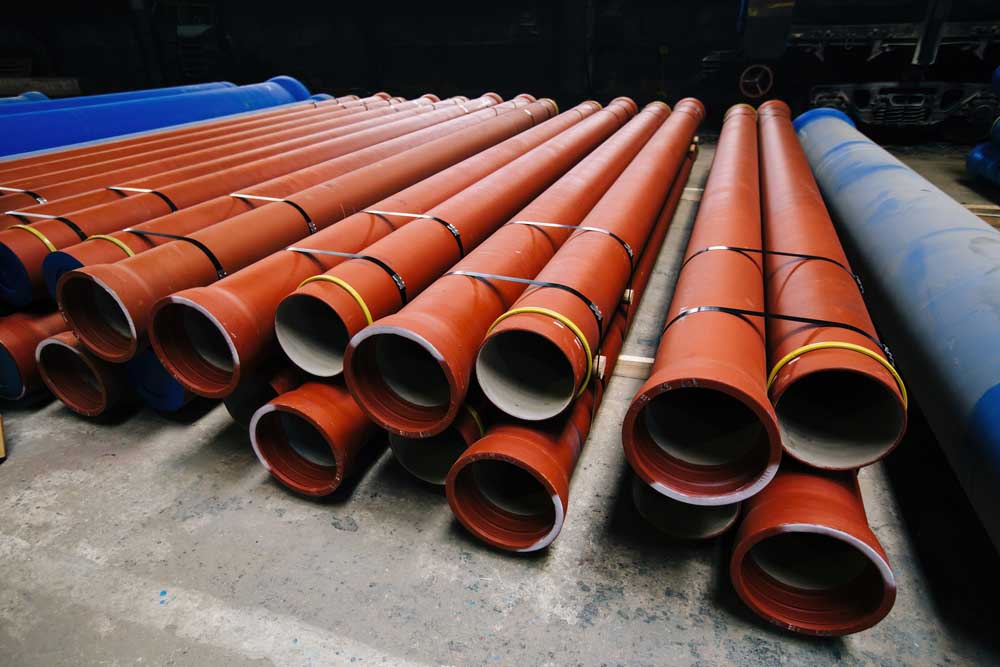
Trenchless pipe lining is compatible with most existing pipe systems, and that’s generally true without many exceptions. Clay, concrete, cast iron, PVC, and Orangeburg pipes all commonly qualify, and the process works whether your lines run under a slab, through a crawl space, or beneath a commercial facility. The bigger question isn't usually "can my pipes be lined?" but "what does my system need before lining can happen?" For property owners considering trenchless pipe lining in St. Louis, MO, understanding what affects compatibility upfront makes the whole decision a lot cleaner.
What Makes a Pipe System a Good Pipe Lining Candidate?
Compatibility comes down to four things: pipe material, diameter, current condition, and accessibility. Most systems check all four boxes. The pipe materials that typically qualify include:
- Clay and vitrified clay
- PVC and ABS plastic
- Orangeburg (fiber conduit)
- Concrete
- Cast iron
That last material deserves a closer look. Older St. Louis buildings were built heavily on cast iron plumbing, and while the material holds up on the outside, it corrodes and scales from the inside over time. Cast iron pipe lining is a service we perform regularly for these aging systems, restoring the pipe's interior without excavation or full replacement.
When Compatibility Gets Complicated
Trenchless lining isn't a fit for every situation. There are conditions that can disqualify a line or require remediation first:
- Pipes that have fully collapsed or are severely misaligned
- Active root intrusion that hasn't been cleared
- Lines smaller than 2 inches in diameter
- Significant offset joints that block liner insertion
These aren't automatic disqualifiers across the board. Many pipes that seem like poor candidates still qualify once the line is properly cleaned and assessed. Working with experienced pipe lining companies means getting an honest evaluation rather than a reflexive yes or no.
How the Liner Works Within Your Existing Pipe
A resin-saturated felt liner is inserted into the existing pipe and cured in place, forming a smooth, continuous inner pipe bonded to the original. This method, known as CIPP (cured-in-place pipe lining), has been used in municipal and residential infrastructure since the 1970s, according to the Water Research Foundation. The result is a structurally independent pipe within your original one, with a service life of 50 years or more when properly installed.
Your Pipe Lining Questions, Answered
Q: Will lining reduce my pipe's flow capacity?
The liner does reduce internal diameter by roughly 6-10%, but the restored, smooth interior actually improves flow compared to a pipe that's been narrowed by years of corrosion, scaling, or buildup.
Q: Can lining address leaking joints, not just cracks?
Yes. Because the liner forms a continuous seal along the pipe interior, it resolves joint failures and pinhole leaks as well.
Q: What about pipes running under a concrete slab?
This is one of the strongest use cases for trenchless lining. Access points can typically be established at cleanouts or fixtures, eliminating the need to break up the slab.
See If Your System Qualifies
Since 2012, our team has been providing pipe restoration services to residential, commercial, industrial, and municipal properties across the region. Our process relies on innovative, environmentally responsible technology that repairs infrastructure from the inside out, without the disruption of traditional excavation.
If your pipes are aging or underperforming, contact Nu Flow St. Louis today and find out whether trenchless lining is the right fit for your system.


