

After Thousands of Service Calls, We Have One Rule About Chemical Drain Cleaners
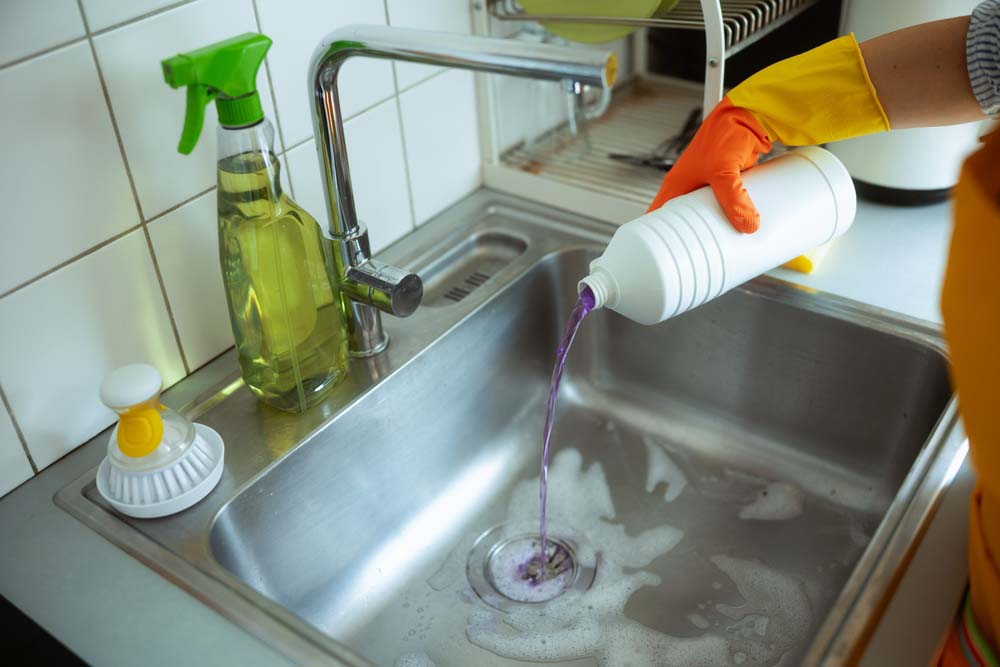
Stop. Put the drain cleaner bottle down.
That's the rule. Every time we show up to a home where someone has been regularly pouring chemical drain cleaners down their pipes, we see the same thing: damage that started quietly and built up over time. A clog was the problem. The "fix" became a bigger one. At Nu Flow St. Louis, we've been responding to these calls since 2012, and the pattern never changes. Most people end up scheduling drain cleaning in St. Louis, MO after the chemical cleaner fails for the third time. And by that point, we're usually dealing with more than just a clog.
What the Label Leaves Out
Chemical drain cleaners work through oxidation or hydrolysis, using sodium hydroxide or sulfuric acid to break down organic material. Here's what the label doesn't tell you: that reaction doesn't stop at the clog.
According to the American Chemical Society, highly alkaline and acidic solutions degrade pipe materials over time, especially with repeated use. The heat generated can exceed 200 degrees Fahrenheit, warping PVC and weakening older metal pipes. Galvanized steel and cast iron are especially vulnerable to accelerated corrosion.
Which Pipes Take the Hardest Hit?
Not every plumbing system responds the same way. When we're called out for a clogged drain, pipe material and age are the first things we assess, because that changes everything about the risk level.
Pipes most affected by chemical cleaner use include:
- Older galvanized steel pipes (common in pre-1970s homes)
- Cast iron drain lines found in many St. Louis-area basements
- PVC and CPVC pipes, which can soften under repeated heat exposure
- Rubber seals and gaskets, which degrade faster than the pipe itself
Why the Clog Keeps Coming Back
Chemical cleaners rarely fully remove a clog. They punch a hole through it. Buildup remains along the pipe walls, and the next clog forms faster. Over time, you're running a cycle that weakens your pipes while the underlying problem stays put.
This is where professional drain cleaning services make a real difference. Hydro jetting and mechanical snaking physically remove debris from the pipe rather than dissolving part of it and leaving the rest to reharden.
The Problem Doesn't Stop at Your Drain
Liquid chemical cleaners are also an environmental concern. The EPA has flagged sodium hydroxide and sulfuric acid as substances that can contaminate waterways through aging sewer infrastructure. That's not a small thing for a city with as much older housing stock as St. Louis.
Drain Cleaning Questions We Hear All the Time
Q: Can a drain cleaning company tell if my pipes have already been damaged by chemical cleaners?
A: Yes. Camera inspection reveals corrosion patterns, interior pitting, and weakened joints consistent with chemical exposure.
Q: What should I use instead when a clog happens?
A: A plunger can help with minor surface blockages, but anything that keeps coming back needs a professional assessment. Guessing at the cause with hardware store products usually makes the underlying problem worse.
The Better Alternative Is Already Here
Since 2012, Nu Flow St. Louis has served residential, commercial, industrial, and municipal systems across the region using innovative, green trenchless technologies that rehabilitate pipes without harmful chemicals or property disruption.
If you keep dealing with the same recurring backup, let's clear it the right way. Call Nu Flow St. Louis today to schedule a service.


